
“Cut complete,” but dispatch is one piece short: where should the question start?
Consider an editorial scenario: a kitchen has been cut on a sawjet such as Park’s JAVELIN, and the production board shows the cutting operation finished.
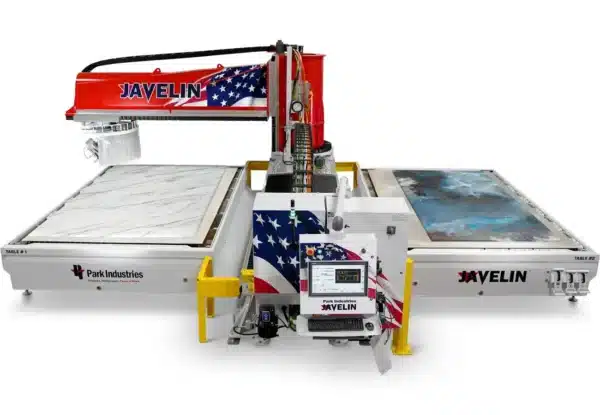
Consider an editorial scenario: a kitchen has been cut on a sawjet such as Park’s JAVELIN, and the production board shows the cutting operation finished.
Consider an editorial scenario: a kitchen has been cut on a sawjet such as Park’s JAVELIN, and the production board shows the cutting operation finished. At dispatch, the team can account for the main run and island but cannot locate one backsplash. This is a fictional workflow problem, not a reported incident involving the product.
Start with the expected pieces
Compare the approved piece list with the identities physically accounted for at the next handoff. Ask whether the missing item was included in the released work, removed by a later revision or placed on a separate hold. A completed operation record alone does not resolve those possibilities.
Keep the job’s completion status separate from the investigation. Quietly marking it unfinished may hide useful cutting history; leaving it ready to ship may hide the shortage. Record the actual exception and identify the person deciding the next action.
A useful question to post
Describe the number of expected pieces, the relevant revision, the last confirmed handoff and the records already checked. Omit customer-identifying details. Ask how others reconcile an incomplete dispatch against a completed cutting operation, rather than asking whether the sawjet is “losing parts.”
Before ordering a remake, the responsible employee needs to establish what happened to the original requirement and material. A discussion reply cannot authorize that decision for the shop.
The practical result is a bounded question: which record or physical check will distinguish a missing item from a changed requirement? That question can produce a useful answer without turning an unexplained shortage into an accusation about equipment.
Further reading
Original editorial analysis and proposed shop exercises based on the linked sources. Illustrative scenarios are not customer testimony or reports of product defects. No firsthand interview, event attendance or hands-on product test is claimed.
Editorial approach & corrections →