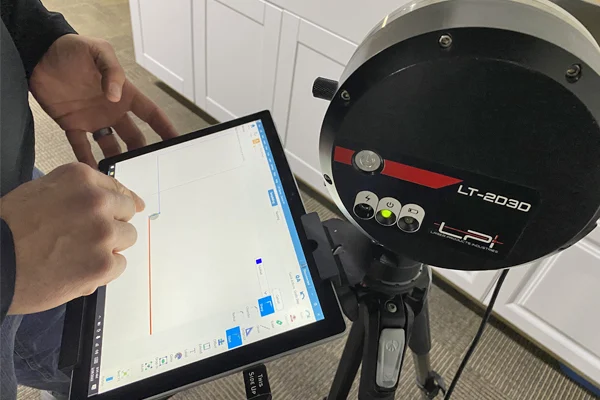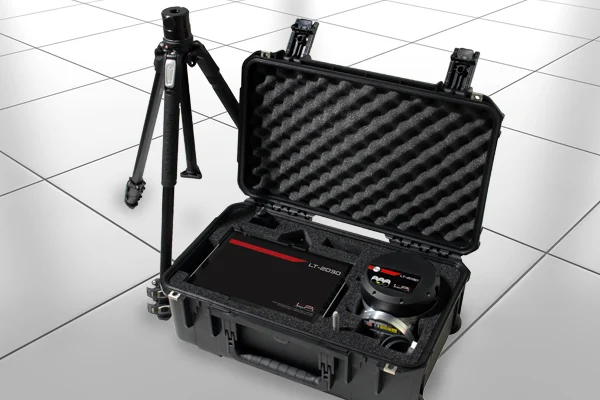
LT-2D3D drawings after a customer change: preserve what was measured
A digital template can remain accurate even after the customer changes the design.
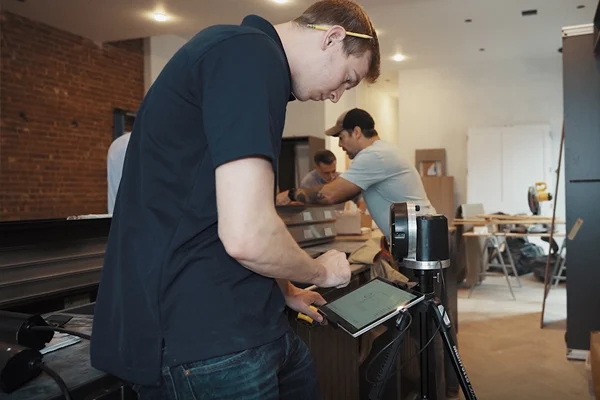
A digital template can remain accurate even after the customer changes the design.
A digital template can remain accurate even after the customer changes the design. In an LT-2D3D workflow, the shop needs to distinguish the captured site information from the latest production decision.
Give changes a reason
Consider a practice job in which the overhang changes after templating. The revised drawing should be traceable to the approved design change. Without that explanation, another employee may assume that the original measurement was wrong or that the site was revisited.
Record who requested the change, who approved it and which released file it replaces. Keep the original field information available under the shop’s retention process so that the team can reconstruct the decision when necessary.
Confirm the receiving department
Before production starts, ask the programmer to identify the current drawing and the decision behind the revision. A file with “final” added to its name does not necessarily resolve the relationship among several copies.
The particular tools for version control depend on the selected software and configuration. This article does not assert that LT-2D3D or its related platform supplies a specific approval feature. It sets out the information a shop should preserve, then asks the supplier and internal team to show how the chosen workflow will preserve it. That keeps a customer revision from becoming an unexplained production exception.
Original editorial analysis of the linked public sources. No firsthand interview, event attendance or independent product test is claimed. Historical source dates describe the source; the publication date above records this article.
Editorial approach & corrections →