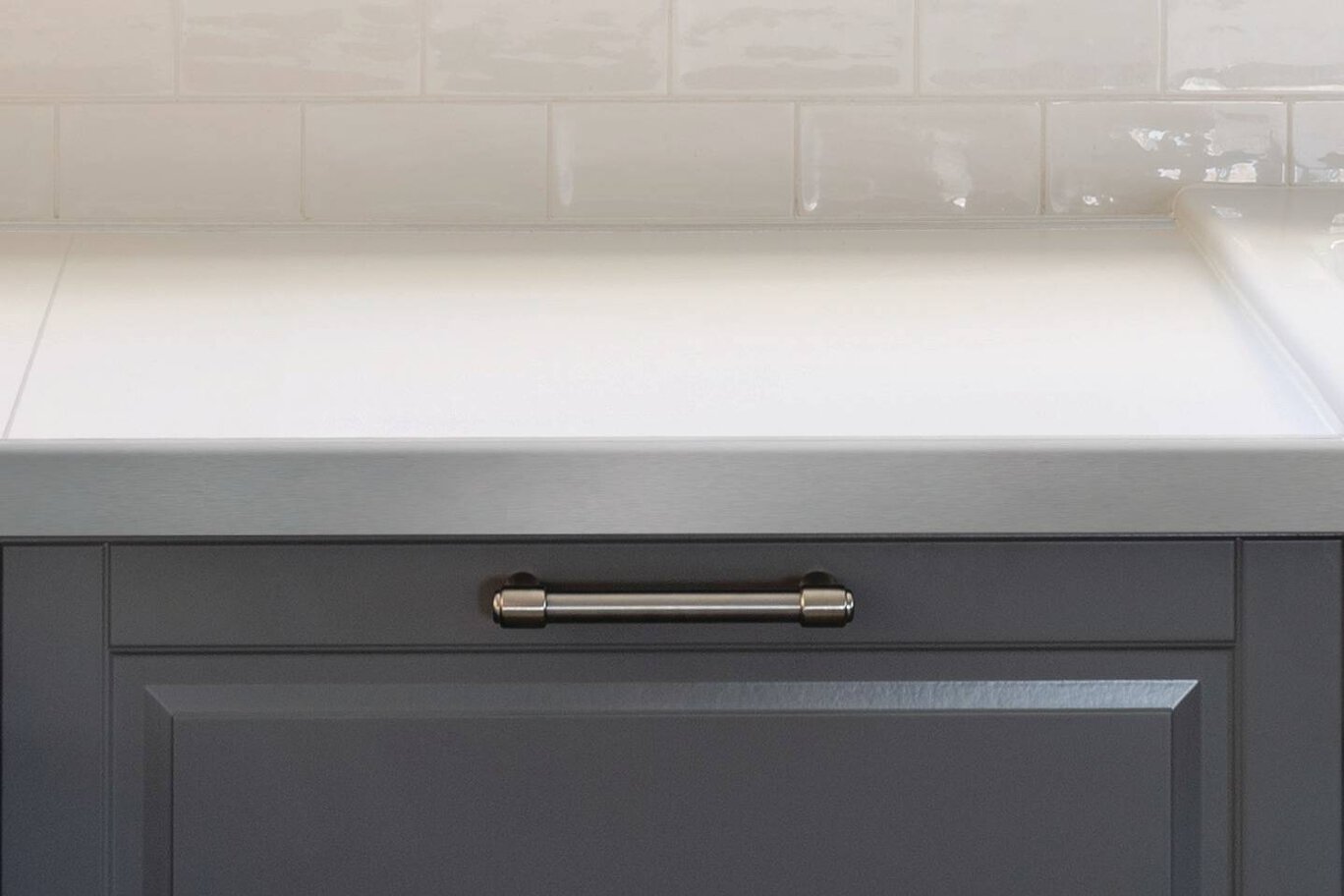
RONDEC-STEP corners and ends: finish the parts list before ordering trim
Schluter’s RONDEC-STEP documentation identifies matching corners.
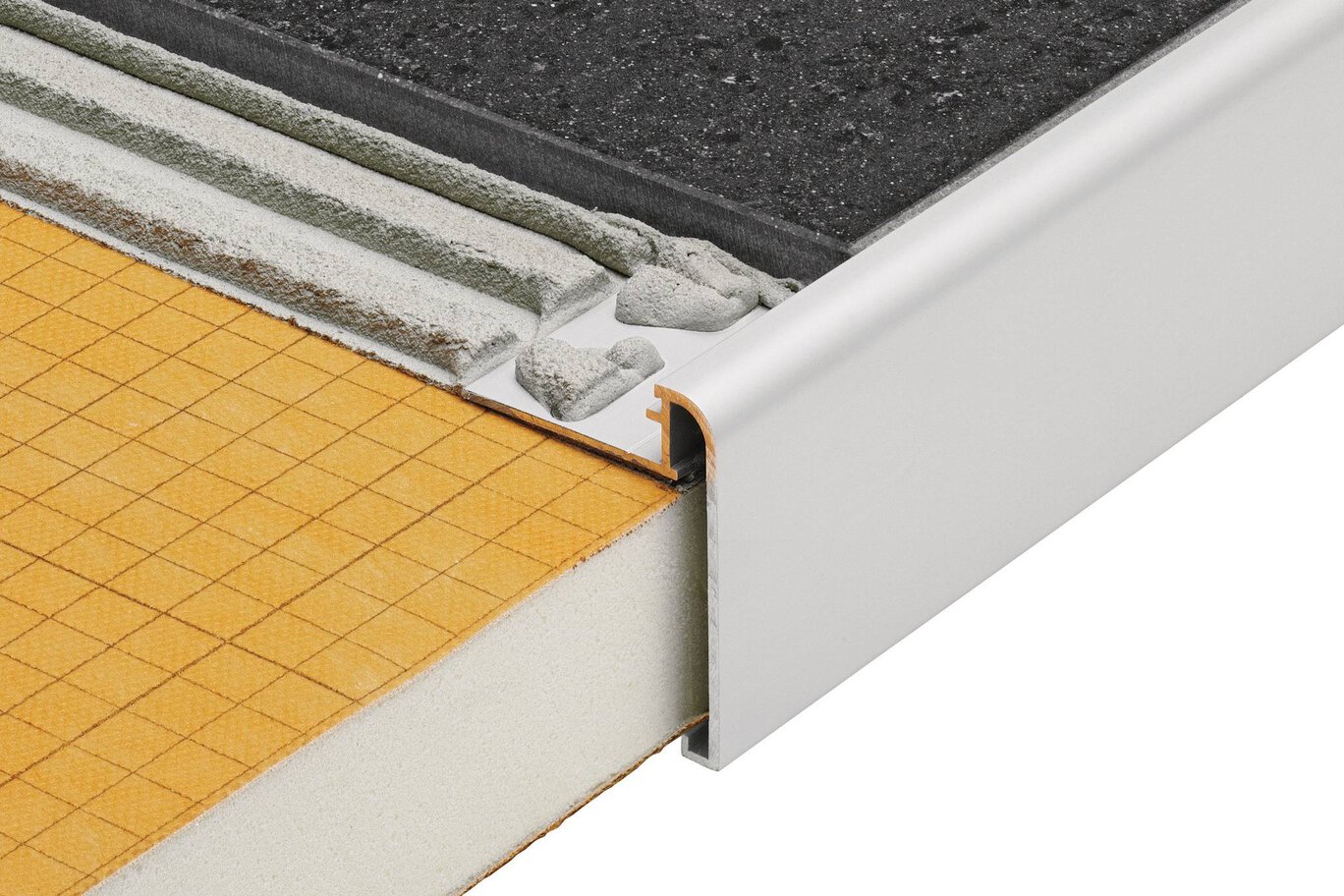
Schluter’s RONDEC-STEP documentation identifies matching corners.
Schluter’s RONDEC-STEP documentation identifies matching corners. The practical purchasing question is whether the quotation covers the entire edge detail, including transitions and terminations, rather than only the straight lengths.
Mark every change in direction
Use the approved drawing to identify corners, exposed ends and adjoining materials. Give each location a reference so the purchaser and installer can discuss it without guessing. A simple marked drawing can prevent a vague request from turning into an incomplete order.
Keep the accessory identity tied to the selected profile and finish. Similar names or photographs are not enough to establish compatibility. Resolve substitutions with the supplier and the responsible designer before they reach the field.
Reconcile the delivery
When material arrives, compare it with the complete parts list. Record missing or damaged items while there is still time to address them. A package containing most of the visible trim can still leave the installation unable to finish.
This is an ordering workflow, not a profile installation procedure. Use the manufacturer’s current instructions for assembly details. The broader lesson is that a finish product becomes a coordinated job only when the edge geometry, accessory selection, order and delivery all describe the same intended result.
Original editorial analysis of the linked public sources. No firsthand interview, event attendance or independent product test is claimed. Historical source dates describe the source; the publication date above records this article.
Editorial approach & corrections →