
One piece, two printed labels: how should the handoff record explain it?
A damaged label may need to be printed again, but a second physical label does not necessarily mean a second manufactured piece.
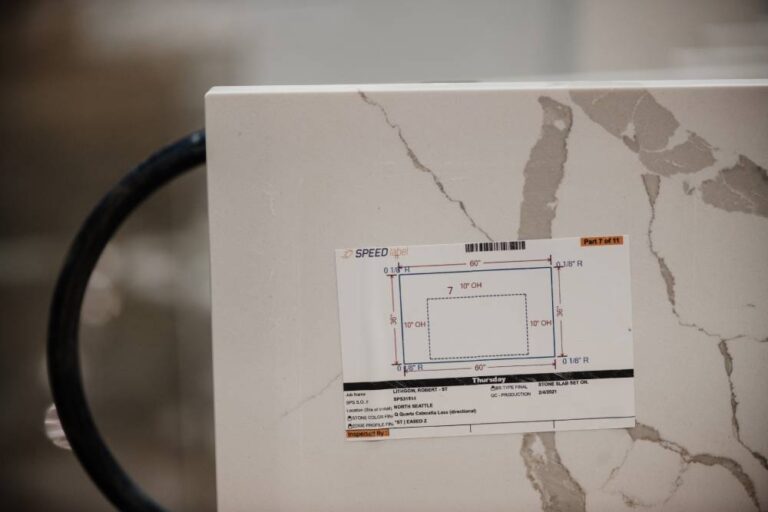
A damaged label may need to be printed again, but a second physical label does not necessarily mean a second manufactured piece.
A damaged label may need to be printed again, but a second physical label does not necessarily mean a second manufactured piece. For a shop evaluating SPEEDlabel or another identification process, that distinction deserves a discussion before staff encounter an ambiguous handoff.
This is an editorial example. It does not claim that SPEEDlabel creates duplicate piece records when a label is reprinted.
Trace identity before changing quantity
Start with the approved piece identifier and its production record. Ask whether the action was a reprint for the same piece, a revised identity after a change or a label for a replacement piece. Those are different events, even when the printed descriptions look similar.
Record why the old label was replaced and follow the system supplier’s supported procedure. The employee receiving the piece needs to recognize the current identity without inferring quantity from how many labels happen to exist.
Information that makes the question answerable
- Was a new piece manufactured, or was only the label replaced?
- Did the job or drawing revision change?
- Which identifier appears in the approved record?
- What does the system show about the reprint or replacement?
- Who can resolve the discrepancy before the next handoff?
If asking the supplier for help, provide a fictional or appropriately redacted example and the actual sequence of actions. Avoid reporting “the scanner doubled the job” when the observed fact is only that two labels were found.
The useful answer explains identity, quantity and revision separately. A clear exception record can then support dispatch reconciliation without treating every label problem as a remake.
Further reading
Original editorial analysis and proposed shop exercises based on the linked sources. Illustrative scenarios are not customer testimony or reports of product defects. No firsthand interview, event attendance or hands-on product test is claimed.
Editorial approach & corrections →